

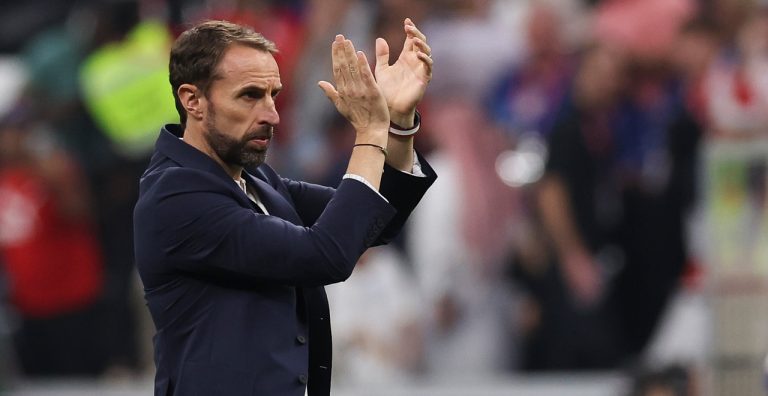
AFTER the high of England’s 6-2 opening-game smashing of Iran on Monday came the crashing comedown of a drab 0-0 draw with the USA on Friday evening.
It was a game of few clear-cut chances for either side, and England struggled to break down the United States’ stern rear guard anything like as readily as they’d dismantled Iran.
The result still leaves England near-certainties to qualify from Group B, though, providing they can avoid a heavy defeat at the hands of Wales on Tuesday.
Here are three things we learned from England 0-0 USA.
Southgate’s Foden Faux Pas
Changing a starting XI that had, just four days earlier, thumped Iran 6-2 would have been a difficult choice for Gareth Southgate to make. But a better understanding of the United States’ strengths would have led the England manager to make at least one key line-up switch: starting Phil Foden.
It took the Americans 10 minutes or so to settle into the game at Al Bayt Stadium, but from that point on, their intentions and identity were plain to see, and they were causing England trouble.
Gregg Berhalter’s side played with tremendous intensity when not in possession, harrying every England player on the ball any time the Three Lions crossed the halfway line. They so effectively limited the space in which England’s attacking players were allowed to operate that the side who hammered in six goals on Monday looked bereft of attacking ideas.
One possible solution for England would have been to lean on their most naturally gifted attacking player – Foden. The Manchester City man, whether stationed wide or centrally, possesses such deft close control that he is better able to play through the kind of pressure the USA were exerting than any of his international colleagues. It is a primary feature of Foden’s game that he excels in taking the ball in tight spaces, turning, playing forward and creating.
In the end, Southgate elected not to introduce Foden from the bench, instead bringing on Jack Grealish, Jordan Henderson and Marcus Rashford. Had Foden entered the game – or even started in place of the ineffectual Mason Mount – England might have enjoyed more attacking success.

