IT’S Jude Bellingham’s world, we just live in it.
The Borussia Dortmund teenager put in a superb and accomplished display against Iran on Monday afternoon, completing 97% of his passes, many of which were progressive, while dictating proceedings all over the park. This was a statement of talent and intent that is rarely witnessed.
Still, it was the kind of performance, from one so young and on football’s biggest stage, that can lead to burdensome hype so let’s keep analysis of his World Cup debut to two points, the first of which is obvious, but pertinent, the second of which extends beyond the 19-year-old.
After just ten starts for England, Bellingham has made himself indispensable to Gareth Southgate’s model for success. And such is the player’s broad attributes, we may now see a very different England to the rigid, unadventurous incarnation that reached a Euro final last year.
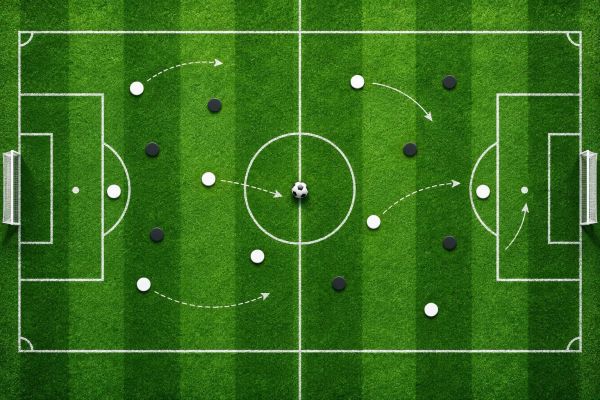
Much has been made of the manager’s decision to set up with a 4-3-3 in Al Rayyan, and it was a more fluid shape wholly made possible by Bellingham’s intelligent box-to-boxing, that at times saw him drop deeper than Declan Rice and recycle possession to Shaw and Tripper, at other times forage forward, offering a valuable extra body in the final third.
In terms of his duel functionality and the benefits that affords, it was reminiscent of the work done by Bernardo Silva for Pep Guardiola. Because here was essentially two players rolled into one, and this facilitates a system that would otherwise see Rodri/Rice isolated.
And boy were the benefits substantial, as evidenced by the breadth of England’s attacking threat that saw them rack up six in a World Cup group game for a second consecutive tournament.
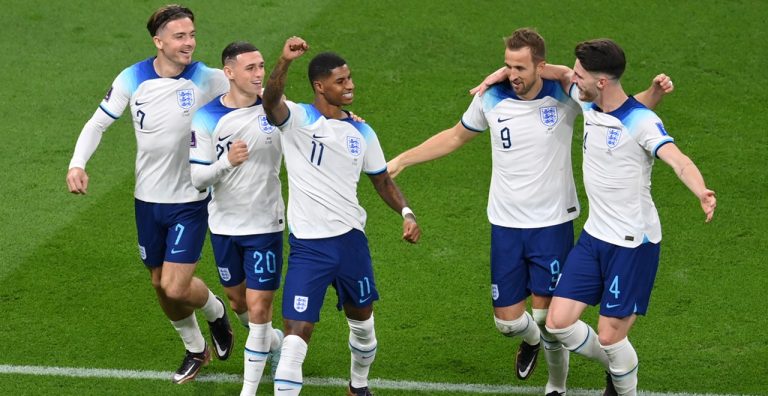
In his 18 previous international outings going into the game, Harry Kane had scored 40.4% of England’s goals but against Iran the onus was shared around, with five others getting on the scoresheet instead. This meant that the Three Lions no longer required a focal point, a definitive end product that can make any side predictable. This meant the Iran defence didn’t know who to fear, who to prioritise, and crucially when to go and when to stay.